blog
Why the Brain Responds to Bells, Mantras, and Repetition
👤
DivyaDrishti Editorial
Feb 06, 2026
8 min read
0 reads
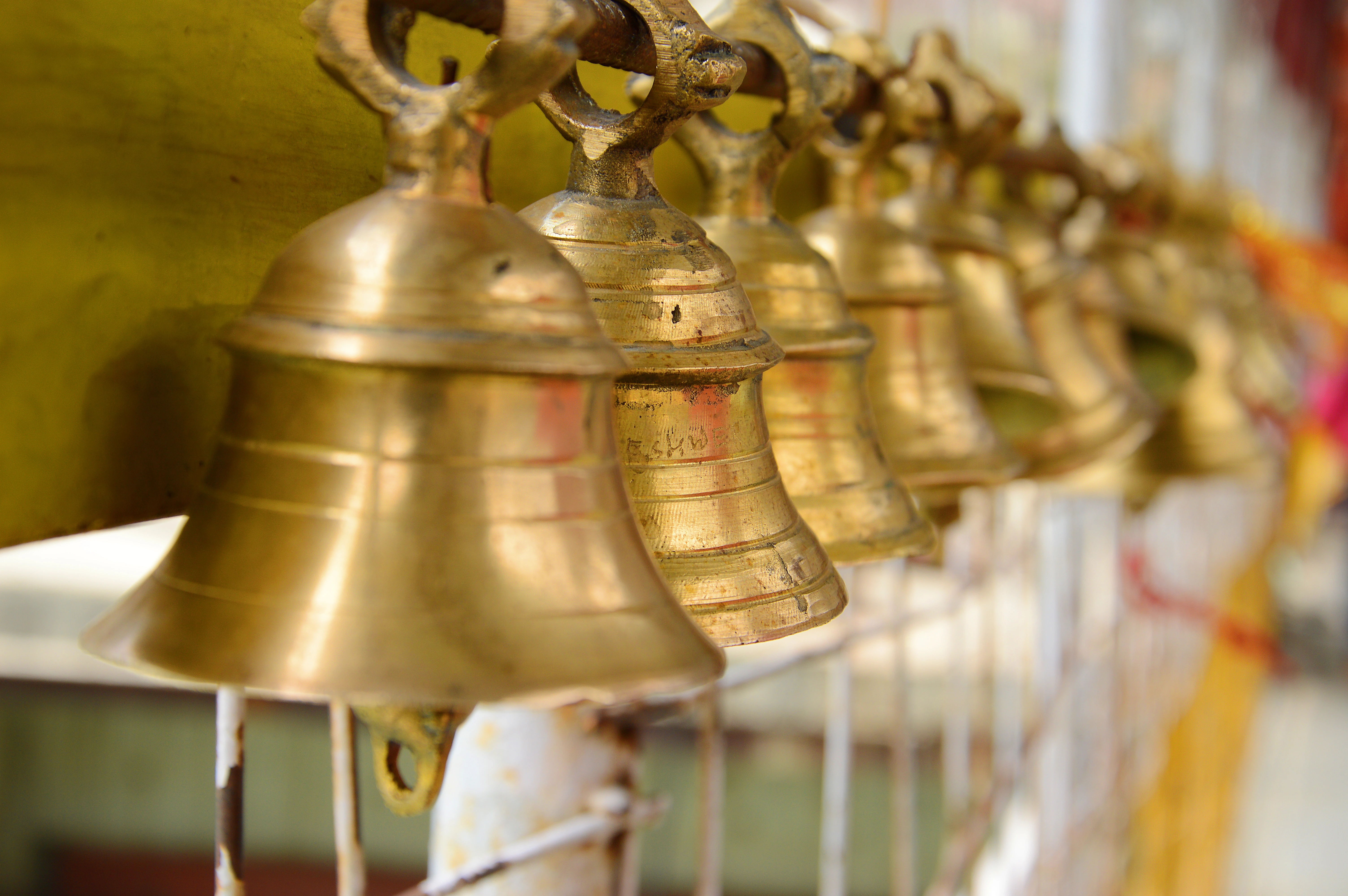
From the ringing of temple bells to the rhythmic recitation of the Hanuman Chalisa and the circular cycles of aarti, Sanatan Dharma places extraordinary emphasis on repetition. To a modern, stimulus-driven mind, this often appears symbolic, cultural, or even mechanically devotional.
It is neither.
It is neuro-engineering.
Long before the language of neuroscience existed, spiritual practice learned how to stabilize attention, regulate emotional load and reorganize perception through structured sound and rhythm.
The Brain’s Prediction Engine
The human brain is not designed primarily to think.
It is designed to predict.
At every moment, the nervous system quietly asks one fundamental question:
“What happens next?”
This predictive activity is continuous and metabolically expensive.
Repetition collapses uncertainty.
It frees attention from surveillance.
It creates a sense of internal safety.
Why Bells Work Instantly
Temple bells are neurological tools.
A traditional temple bell produces:
• a wide, non-harmonic frequency range
• a fast, decaying resonance
• no predictable melodic structure
The mind briefly lets go.
Mantra as Cognitive Reset
Mantras are sonic loops.
As repetition continues, words lose conceptual sharpness. Sound remains. Rhythm remains. Awareness stabilizes.
Mantra bypasses thinking.
It regulates attention directly.
Why Hanuman Bhakti Is Repetition-Heavy by Design
Hanuman worship emphasizes:
• Hanuman Chalisa repetition
• naam smaran
• rhythmic aarti cycles
These build emotional steadiness.
Repetition and Service-Oriented Awareness
Repetition builds reliability and emotional stability.
Why Modern Minds Resist Repetition
Discomfort during repetition is withdrawal from novelty dependence.
The Real Function of Rhythm in Aarti
Rhythm frees awareness from monitoring.
Closing Insight
Repetition continues until resistance drops.
That is when transformation begins.